A good credit score can make a big difference in your financial life. It can help you qualify for loans, get lower interest rates, rent an apartment more easily, and even improve your chances of approval for certain financial products. Many people think credit cards damage credit scores, but when used correctly, credit cards can actually be one of the most powerful tools for building and improving credit.
If your credit score is low or you want to strengthen your credit profile, learning how to use credit cards wisely is an important step. In this guide from Ruba1.site, you will learn simple and effective ways to improve your credit score using credit cards.
Understanding What a Credit Score Is
A credit score is a number that represents your creditworthiness. In simple words, it tells lenders how responsible you are when borrowing money.
Credit scores are generally based on factors such as:
- Payment history
- Credit utilization
- Length of credit history
- Types of credit accounts
- New credit applications
A higher score usually means lower financial risk for lenders.
Why Credit Cards Affect Your Credit Score
Every time you use a credit card, information about your account is reported to credit bureaus. This information helps determine your credit score.
When you use your credit card responsibly, you can build a positive credit history. However, poor credit card habits can lower your score.
The good news is that small improvements in your credit card behavior can often lead to better credit scores over time.
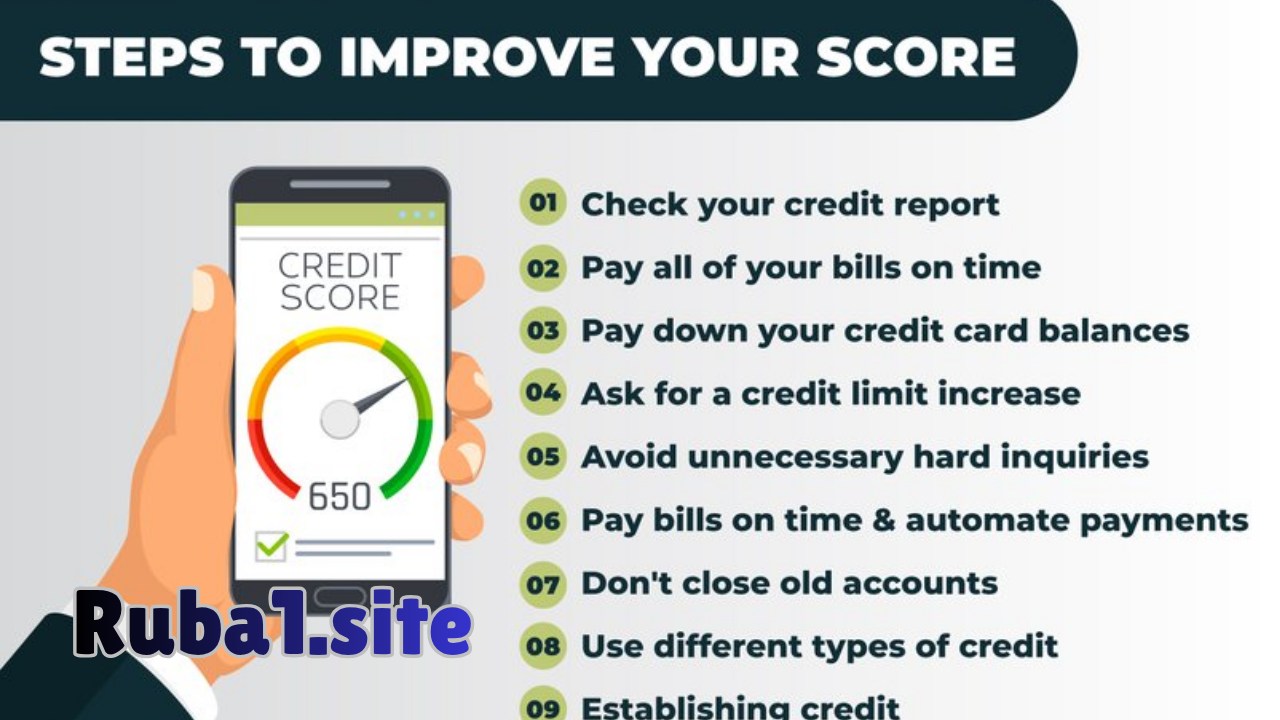
Always Pay Your Bills on Time
Payment history is one of the most important factors in your credit score.
Even a single missed payment can negatively affect your credit profile.
To avoid late payments:
- Set up automatic payments
- Use payment reminders
- Pay before the due date
- Monitor your account regularly
Consistent on-time payments show lenders that you are a responsible borrower.
Example
If your credit card bill is due on the 15th of every month, try paying it a few days earlier. This simple habit can have a positive impact on your credit score over time.
Keep Your Credit Utilization Low
Credit utilization refers to how much of your available credit you are using.
For example:
| Credit Limit | Balance | Utilization Rate |
|---|---|---|
| $1,000 | $100 | 10% |
| $1,000 | $500 | 50% |
| $1,000 | $900 | 90% |
Most financial experts recommend keeping credit utilization below 30%.
Lower utilization generally signals responsible credit management.
Tips to Reduce Utilization
- Pay balances multiple times per month
- Request a credit limit increase
- Avoid maxing out your cards
- Spread spending across multiple cards
Avoid Closing Old Credit Card Accounts
Many people think closing old credit cards improves their finances. In reality, it can sometimes hurt your credit score.
Older accounts contribute to the length of your credit history, which is an important credit scoring factor.
If an old card has no annual fee, keeping it open may help maintain a longer credit history.
Use Your Credit Card Regularly
A credit card that sits unused for long periods may not help build your credit history effectively.
You do not need to make large purchases.
Simple purchases such as:
- Groceries
- Fuel
- Streaming subscriptions
- Utility payments
can help maintain account activity.
The key is to pay the balance responsibly.
Pay More Than the Minimum Amount
Credit card companies usually require a minimum monthly payment.
However, paying only the minimum can keep balances high for a long time.
Benefits of paying more than the minimum include:
- Lower credit utilization
- Less interest paid
- Faster debt reduction
- Improved credit profile
Whenever possible, pay the full statement balance each month.
Limit New Credit Card Applications
Every time you apply for a new credit card, a credit inquiry may be added to your credit report.
Too many applications within a short period can make lenders think you are experiencing financial difficulties.
Before applying for a new card:
- Compare available options carefully
- Apply only when necessary
- Avoid multiple applications at the same time
Being selective can help protect your credit score.
Monitor Your Credit Report Regularly
Errors can sometimes appear on credit reports.
Checking your credit report helps you:
- Detect mistakes
- Identify fraudulent activity
- Track credit score progress
- Verify account information
Correcting errors early can prevent unnecessary damage to your credit profile.
Consider a Secured Credit Card
If you have limited credit history or a low credit score, a secured credit card can be a useful tool.
A secured card usually requires a security deposit that serves as collateral.
Benefits include:
- Easier approval
- Opportunity to build credit
- Regular reporting to credit bureaus
- Credit-building potential
Many people use secured cards as a starting point before qualifying for traditional credit cards.
Become an Authorized User
Some credit card issuers allow family members to become authorized users on an account.
If the primary cardholder has a strong payment history, this positive activity may help strengthen your credit profile.
However, this strategy works best when the primary cardholder uses the account responsibly.
Common Credit Card Mistakes That Hurt Credit Scores
Avoiding mistakes is just as important as following good habits.
Common mistakes include:
- Missing payments
- Maxing out credit cards
- Applying for too many cards
- Closing old accounts unnecessarily
- Ignoring account statements
- Carrying large balances for long periods
Even small mistakes can affect your credit score.
How Long Does It Take to Improve a Credit Score?
Credit improvement is not usually instant.
The timeline depends on factors such as:
- Current credit score
- Payment history
- Existing debt
- Credit utilization
- Overall credit profile
Some people see improvements within a few months, while larger improvements may take a year or longer.
Consistency is the most important factor.
Benefits of Having a Good Credit Score
A strong credit score can provide several financial advantages.
These include:
- Better loan approval chances
- Lower interest rates
- Higher credit limits
- Better credit card offers
- Improved financial flexibility
Building good credit today can create financial opportunities in the future.
Frequently Asked Questions
What is the fastest way to improve a credit score?
Paying bills on time and reducing credit card balances are often among the fastest ways to improve a credit score.
Does paying off a credit card improve credit scores?
Yes. Paying down balances can reduce credit utilization, which may help improve your score.
How many credit cards should I have?
There is no perfect number. What matters most is managing your accounts responsibly.
Can I improve my credit score without taking on debt?
Yes. Responsible credit card use and paying balances in full can help improve your credit score without carrying debt.
Is a secured credit card good for building credit?
Yes. Secured credit cards are often recommended for people who are new to credit or rebuilding their credit history.
Conclusion
Improving your credit score using credit cards is not complicated, but it requires discipline and consistency. Paying bills on time, keeping balances low, avoiding unnecessary applications, and maintaining older accounts can all contribute to a stronger credit profile.
Credit cards should be viewed as financial tools rather than sources of extra spending. When used responsibly, they can help you build a solid credit history and unlock better financial opportunities in the future.
For more credit card guides, personal finance tips, and money-saving advice, continue exploring Ruba1.site.