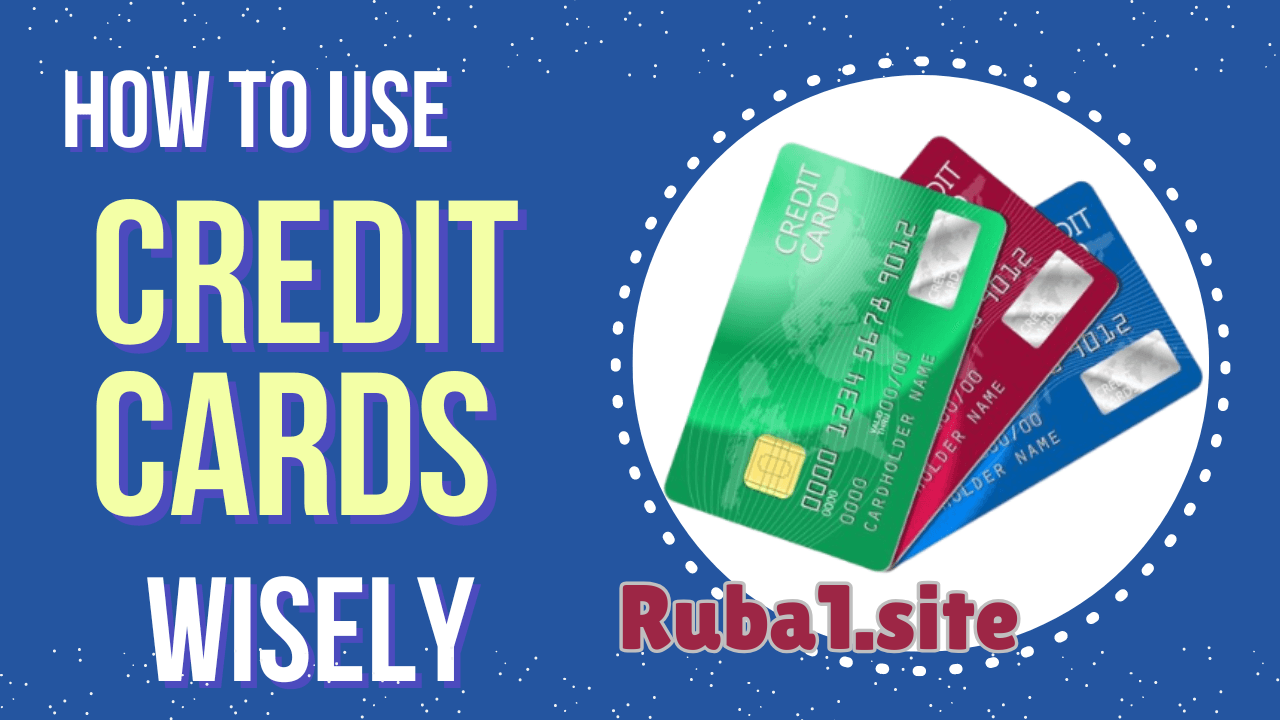
Credit cards can be powerful financial tools when used responsibly. They offer convenience, security, rewards, cashback opportunities, and can even help build a strong credit history. However, when credit cards are misused, they can quickly lead to debt that becomes difficult to manage.
Millions of people struggle with credit card debt because of overspending, missed payments, and poor financial planning. The good news is that avoiding credit card debt is possible with the right habits and financial strategies.
In this comprehensive guide from Ruba1.site, you’ll learn practical ways to avoid credit card debt, manage your finances wisely, and build a healthier financial future.
Why Credit Card Debt Becomes a Problem
Credit card debt often starts small but grows over time because of interest charges.
For example, if you carry a balance every month, interest is added to the amount you already owe. As the balance increases, more interest accumulates, making it harder to pay off the debt.
Common causes of credit card debt include:
- Spending beyond your income
- Making only minimum payments
- Impulse purchases
- Poor budgeting
- Emergency expenses
- Multiple credit card balances
Understanding these causes is the first step toward avoiding debt.
Understand the Difference Between Needs and Wants
One of the simplest ways to prevent debt is to separate needs from wants.
Needs
These are essential expenses such as:
- Food
- Housing
- Utilities
- Transportation
- Healthcare
Wants
These are non-essential purchases such as:
- Luxury items
- Expensive gadgets
- Entertainment subscriptions
- Impulse shopping
Before using your credit card, ask yourself:
“Do I need this, or do I simply want it?”
This small habit can save a significant amount of money over time.
Create a Monthly Budget
A budget helps you understand where your money is going.
Without a budget, it becomes easy to spend more than you earn.
A simple budget may look like this:
| Category | Percentage of Income |
|---|---|
| Housing | 30% |
| Food | 15% |
| Transportation | 10% |
| Savings | 20% |
| Entertainment | 10% |
| Other Expenses | 15% |
Tracking your spending helps prevent unnecessary credit card use.
Never Spend More Than You Can Repay
One of the most important credit card rules is simple:
Only charge what you can afford to pay back.
Many people view available credit as extra money, but it is actually borrowed money.
Before making a purchase, consider whether you can pay the full amount when the bill arrives.
If the answer is no, it may be best to delay the purchase.
Pay Your Credit Card Balance in Full
Paying the full balance every month is one of the most effective ways to avoid debt.
Benefits include:
- No interest charges
- Better financial control
- Improved credit score
- Lower stress levels
When you pay the entire balance, you enjoy the convenience of a credit card without paying costly interest.
Avoid Making Only Minimum Payments
Credit card companies often require only a small minimum payment each month.
While this may seem convenient, it can be expensive in the long run.
Consider this example:
| Balance | Minimum Payment | Time to Repay |
| $2,000 | Small Monthly Payment | Several Years |
| $2,000 | Full Monthly Payment | Much Faster |
Paying only the minimum keeps debt around much longer and increases interest costs.
Build an Emergency Fund
Unexpected expenses can happen at any time.
Examples include:
- Medical emergencies
- Car repairs
- Home maintenance
- Job loss
Without savings, many people rely on credit cards during emergencies.
Building an emergency fund can help you avoid this situation.
Even saving a small amount each month can provide valuable financial protection.
Limit the Number of Credit Cards You Use
Having multiple credit cards is not necessarily a problem, but managing too many accounts can become challenging.
Benefits of limiting your cards include:
- Easier budgeting
- Fewer payment deadlines
- Reduced temptation to overspend
- Better financial organization
Choose cards that fit your needs and use them responsibly.
Track Every Purchase
Small purchases can add up quickly.
Examples include:
- Coffee
- Fast food
- Mobile app purchases
- Online subscriptions
Keeping track of spending helps identify areas where money may be wasted.
Many banking and budgeting apps make expense tracking easier than ever.
Avoid Impulse Buying
Impulse purchases are one of the biggest causes of unnecessary debt.
Before making a non-essential purchase:
- Wait 24 hours
- Compare prices
- Review your budget
- Consider whether the item is truly necessary
Many people discover they no longer want the item after waiting.
Set Financial Goals
Clear goals can improve spending habits.
Examples include:
- Paying off debt
- Building savings
- Buying a home
- Starting a business
- Funding education
When you focus on long-term goals, unnecessary spending becomes easier to avoid.
Use Credit Card Rewards Responsibly
Rewards can be valuable, but they should never encourage unnecessary spending.
Many people spend more money simply to earn points or cashback.
Remember:
A reward is only beneficial if you were already planning to make the purchase.
Avoid buying items you do not need just to earn rewards.
Review Statements Every Month
Checking your statements regularly helps you:
- Monitor spending
- Detect fraud
- Identify subscription charges
- Spot billing errors
This habit also increases awareness of your financial behavior.
Learn to Live Below Your Means
One of the most effective financial habits is spending less than you earn.
People who consistently live below their means often:
- Save more money
- Avoid debt
- Handle emergencies better
- Build long-term wealth
Financial success is often determined more by spending habits than income level.
What to Do If You Already Have Credit Card Debt
If you already have debt, don’t panic.
Start with these steps:
Stop Adding New Debt
Avoid making additional charges whenever possible.
Create a Repayment Plan
Determine how much you can pay each month.
Focus on High-Interest Balances
Paying off high-interest debt first can save money.
Consider Balance Transfers
In some cases, a low-interest balance transfer card may help reduce interest costs.
Stay Consistent
Debt reduction takes time, but consistent payments can produce significant progress.
Signs You May Be Heading Toward Debt Problems
Watch for these warning signs:
- Making only minimum payments
- Frequently using credit for necessities
- Missing payment deadlines
- Maxing out credit cards
- Borrowing to pay other debts
Recognizing these signs early can help prevent larger financial issues.
Benefits of Managing Finances Wisely
Good financial management offers many advantages:
- Less stress
- Better credit scores
- Increased savings
- Greater financial freedom
- Improved long-term security
Small financial improvements today can create major benefits in the future.
Frequently Asked Questions
What is the best way to avoid credit card debt?
Spend only what you can afford to repay and pay your balance in full each month whenever possible.
Should I use a credit card or cash?
Both can be useful. Credit cards offer rewards and protection, but cash can help control spending.
Is carrying a balance good for my credit score?
No. Carrying a balance is not required to build good credit and often results in unnecessary interest charges.
How much should I save for emergencies?
Many experts recommend saving enough to cover three to six months of essential expenses.
Can budgeting really help prevent debt?
Yes. A budget provides control over spending and helps prevent financial surprises.
Conclusion
Avoiding credit card debt is not about avoiding credit cards altogether. It is about using them responsibly and making smart financial decisions. By creating a budget, tracking expenses, building an emergency fund, paying balances in full, and living within your means, you can enjoy the benefits of credit cards without falling into debt.
Financial success is built through consistent habits, not quick fixes. The sooner you develop healthy money management skills, the easier it becomes to achieve your financial goals and maintain long-term financial stability.
For more personal finance guides, credit card tips, and money-saving strategies, keep visiting Ruba1.site.