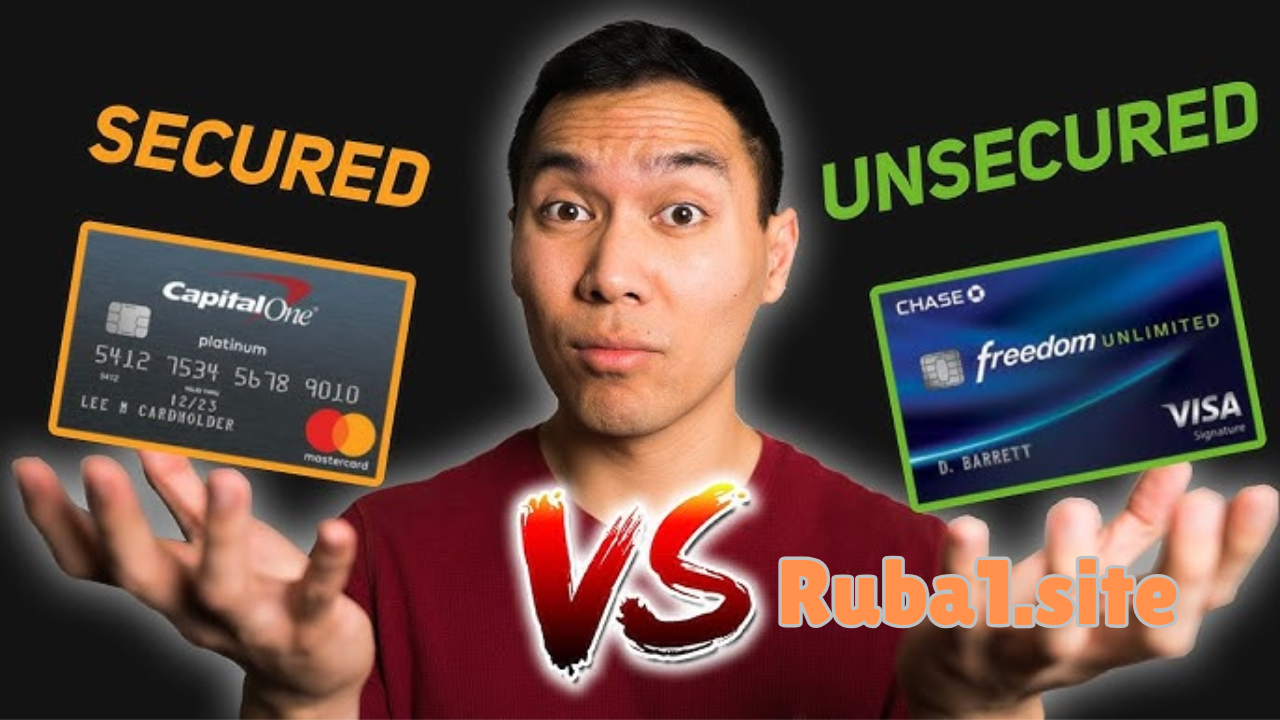
Choosing the right credit card can be confusing, especially if you’re applying for your first card or trying to rebuild your credit score. One of the most common questions people ask is whether they should choose a secured credit card or an unsecured credit card.
Both types of credit cards can help you make purchases, build credit history, and improve your financial profile. However, they work differently and are designed for different types of users.
In this complete guide from Ruba1.site, you’ll learn the key differences between secured and unsecured credit cards, their advantages and disadvantages, and how to decide which one is right for your financial goals.
What Is a Secured Credit Card?
A secured credit card is a credit card that requires a refundable security deposit before you can use it.
The deposit acts as collateral for the credit card issuer.
For example:
| Security Deposit | Credit Limit |
|---|---|
| $200 | $200 |
| $500 | $500 |
| $1,000 | $1,000 |
In many cases, your credit limit will be equal to your security deposit.
The card works like a regular credit card. You can make purchases, receive monthly statements, and build credit history when payments are reported to credit bureaus.
What Is an Unsecured Credit Card?
An unsecured credit card does not require a security deposit.
Instead, approval is based on factors such as:
- Credit score
- Income
- Existing debt
- Credit history
- Financial profile
Most traditional credit cards are unsecured.
Because there is no deposit requirement, unsecured cards are generally more attractive to consumers who qualify.
Main Difference Between Secured and Unsecured Credit Cards
The biggest difference is the security deposit.
A secured card requires upfront money as collateral, while an unsecured card does not.
Here is a simple comparison:
| Feature | Secured Credit Card | Unsecured Credit Card |
| Security Deposit | Required | Not Required |
| Credit Check | Often More Flexible | Usually Required |
| Approval Odds | Higher for Poor Credit | Depends on Credit Profile |
| Credit Building | Yes | Yes |
| Rewards | Limited | Often Available |
| Credit Limits | Usually Lower | Often Higher |
Understanding these differences can help you choose the best option for your situation.
Who Should Choose a Secured Credit Card?
Secured credit cards are often designed for people who have:
- No credit history
- Limited credit history
- Poor credit scores
- Past financial difficulties
- Difficulty qualifying for traditional cards
Because the deposit reduces risk for the card issuer, approval is often easier.
Benefits of Secured Credit Cards
Easier Approval
Many applicants who cannot qualify for traditional cards may qualify for secured cards.
Builds Credit History
Responsible usage can help establish a positive payment history.
Helps Rebuild Credit
People recovering from financial setbacks often use secured cards to improve their credit profiles.
Lower Risk for Lenders
The deposit protects the issuer if payments are missed.
Disadvantages of Secured Credit Cards
- Requires an upfront deposit
- Lower credit limits
- Fewer rewards programs
- Fewer premium benefits
Despite these limitations, secured cards remain one of the most effective credit-building tools available.
Who Should Choose an Unsecured Credit Card?
Unsecured credit cards are generally best for people who already have a fair, good, or excellent credit history.
These cards typically offer more features and benefits.
Benefits of Unsecured Credit Cards
No Security Deposit
You can access credit without providing collateral.
Higher Credit Limits
Many unsecured cards offer larger spending limits.
Cashback Rewards
Many cards provide rewards on everyday purchases.
Travel Benefits
Some cards include airline miles, hotel rewards, and travel perks.
Promotional Offers
Many issuers offer welcome bonuses and introductory APR promotions.
Disadvantages of Unsecured Credit Cards
- Approval may be harder
- Higher interest rates for some applicants
- Greater temptation to overspend
- Credit score requirements for premium cards
Responsible usage is essential to avoid debt problems.
Which Card Helps Build Credit Faster?
Both secured and unsecured credit cards can help build credit.
What matters most is how you use the card.
Credit-building habits include:
- Paying on time
- Keeping balances low
- Avoiding missed payments
- Maintaining low credit utilization
- Using credit responsibly
A secured card used properly can improve credit just as effectively as an unsecured card.
How Credit Scores Affect Approval
Credit card issuers use credit scores to evaluate risk.
General approval guidelines:
| Credit Score Range | Typical Card Options |
| Below 580 | Secured Cards |
| 580–669 | Basic Unsecured Cards |
| 670–739 | Good Credit Cards |
| 740–799 | Premium Rewards Cards |
| 800+ | Top-Tier Credit Cards |
These ranges vary by issuer, but they provide a general idea of approval expectations.
Can You Upgrade from a Secured Card?
Yes.
Many card issuers allow users to graduate from a secured card to an unsecured card after demonstrating responsible usage.
This often happens after:
- Consistent on-time payments
- Good account management
- Improved credit scores
- Positive account history
When upgraded, your security deposit may be refunded.
This makes secured cards a useful stepping stone toward traditional credit cards.
Common Mistakes to Avoid
Whether you choose a secured or unsecured card, avoid these mistakes:
- Missing payments
- Maxing out credit limits
- Applying for too many cards
- Ignoring account statements
- Carrying large balances
- Paying only the minimum amount
These habits can negatively affect your credit score.
How to Choose the Right Credit Card
Ask yourself these questions:
Do You Have a Credit History?
If not, a secured card may be the easiest starting point.
Can You Afford a Security Deposit?
Secured cards require upfront funds.
Are You Looking for Rewards?
Unsecured cards often provide better cashback and travel benefits.
Is Your Goal Credit Building?
Both card types can help, but secured cards may be easier to obtain.
Do You Need a Higher Credit Limit?
Unsecured cards generally offer larger limits.
Your answers can help determine the best option for your situation.
Secured vs Unsecured Credit Cards: Quick Comparison
| Category | Winner |
| Easy Approval | Secured Card |
| No Deposit Required | Unsecured Card |
| Rewards Programs | Unsecured Card |
| Credit Building | Tie |
| Higher Credit Limits | Unsecured Card |
| First-Time Users | Secured Card |
| Long-Term Benefits | Unsecured Card |
Frequently Asked Questions
Is a secured credit card better than an unsecured card?
Not necessarily. The best choice depends on your credit history and financial goals.
Can secured cards improve credit scores?
Yes. Responsible use of a secured card can help build or rebuild credit.
Do secured credit cards earn rewards?
Some secured cards offer rewards, but benefits are usually more limited than unsecured cards.
Will I get my security deposit back?
In most cases, yes. The deposit is usually refundable if the account is closed in good standing or upgraded.
Which card is best for beginners?
Many beginners start with secured cards because approval is often easier.
Conclusion
Both secured and unsecured credit cards have important advantages. Secured cards are ideal for people who are building or rebuilding credit, while unsecured cards are generally better for those who already have an established credit history and want additional rewards and benefits.
The right choice depends on your current financial situation, credit profile, and long-term goals. If you are just starting your credit journey, a secured card can be an excellent first step. If you already have good credit, an unsecured card will likely provide greater flexibility, higher limits, and more valuable rewards.
For more credit card guides, personal finance tips, and money-saving advice, keep visiting Ruba1.site.